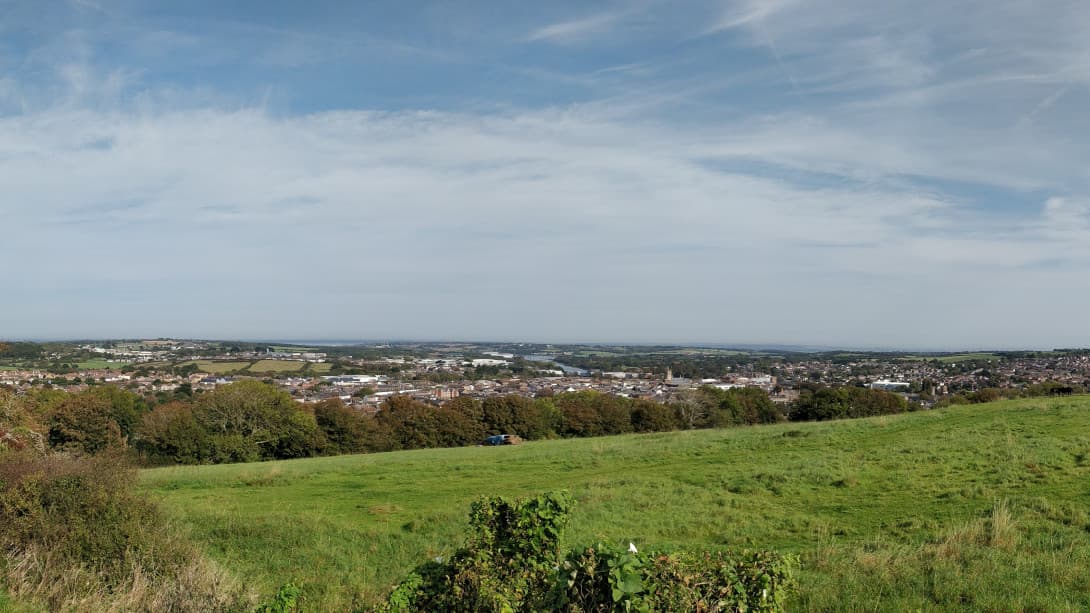
Yes. If you have the right to live in the UK, you can live on the Isle of Wight. The island is part of England, so there are no residency permits, housing licences or restrictions on who can buy property. Moving here is legally no different from moving to Hampshire or Dorset. The practical difference is the ferry.
Why people think there are restrictionsSection titled Why people think there are restrictions
The question usually comes from confusion with the Channel Islands, which do control who can live and work there. In Jersey, for example:
- Most people can only buy property freely once they have "entitled" status, which usually takes 10 years' continuous residence.
- Newcomers generally need a job licence from a Jersey employer, or approval as a "high value resident" who meets a minimum tax contribution.
None of that applies to the Isle of Wight. It's a county of England, not a Crown Dependency, and isn't one of the Channel Islands. See is the Isle of Wight a Channel Island?
What it's like to live hereSection titled What it's like to live here
HousingSection titled Housing
House prices are below the England average. ONS-based figures in 2026 put the island's average at around £240,000–£250,000, against about £290,000 for England, and island prices fell slightly over the past year. Prices vary a lot: Cowes, Seaview, Bembridge, Yarmouth and the West Wight are expensive, while parts of Ryde, Sandown, Shanklin and Newport are much cheaper. Council tax is set by the Isle of Wight Council (see is the Isle of Wight a tax haven?).
WorkSection titled Work
The island's biggest sectors are tourism and hospitality, health and care, retail, and marine and composites engineering around Cowes and East Cowes. Wages are generally lower than in the south-east, and much tourism work is seasonal. Many residents commute to Portsmouth or Southampton on the fast ferries.
HealthcareSection titled Healthcare
St Mary's Hospital in Newport is the island's general hospital, with an emergency department. For some specialist treatment you'll be referred to hospitals in Southampton or Portsmouth, with patient travel help over the Solent. Most towns and larger villages have a GP surgery.
Schools and collegeSection titled Schools and college
The island has primary schools in most towns and villages, and secondary schools in the main towns. The Isle of Wight College in Newport offers A levels, vocational courses, apprenticeships and some higher education, but there is no university campus.
Getting to the mainlandSection titled Getting to the mainland
Living on an island means planning around the Solent. Car ferries take 40–60 minutes and passenger ferries under half an hour. Both Wightlink and Red Funnel sell discounted fares and season tickets for island residents. See can you drive to the Isle of Wight? for the routes.
Safety and servicesSection titled Safety and services
The island has its own police stations and neighbourhood teams (see are there police on the Isle of Wight?), and Southern Water supplies its tap water, as on the mainland.
Is it a good place to live?Section titled Is it a good place to live?
That depends on what you want. The island has more sunshine than most of Britain (is it warmer on the Isle of Wight?), a coastline and countryside on your doorstep, and a strong community feel. On the downside, ferry fares make mainland trips costly, career options are narrower, and the population is older than the England average. Visiting out of season, as well as in summer, is the best way to find out if it suits you. Our January guide shows what winter is like.