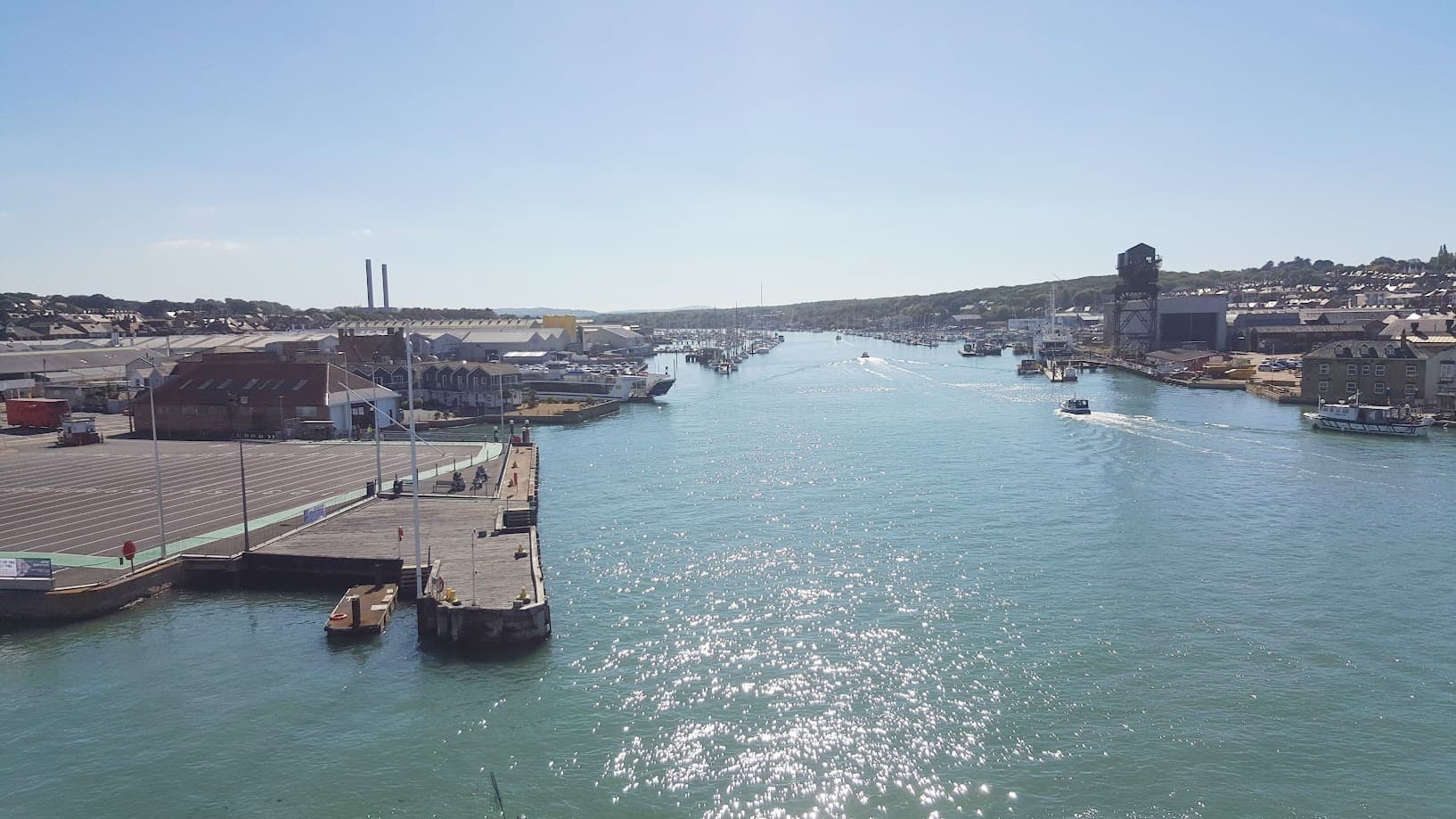
The Isle of Wight is milder and sunnier than most of the UK, but not hotter. Its winters are warmer, frosts are rarer and it gets far more sunshine than the UK average: Shanklin is one of the sunniest places in Britain. On a summer afternoon, though, the sea keeps it a couple of degrees cooler than London or the inland south-east.
The numbers: Isle of Wight vs the UKSection titled The numbers: Isle of Wight vs the UK
| Shanklin (Isle of Wight) | London (Heathrow) | UK average | |
|---|---|---|---|
| August average high | about 21°C | about 23°C | about 19°C |
| January average high | about 8°C | about 8°C | about 7°C |
| Sunshine per year | about 1,925–1,975 hours | about 1,500–1,650 hours | about 1,400 hours |
| Rainfall per year | about 900 mm | about 600 mm | about 1,160 mm |
Met Office climate averages, 1991–2020. Shanklin figures are rounded from station data.
So the honest answer depends on what you mean by warmer:
- More sunshine: yes, by a long way. That's the island's real climate advantage.
- Milder winters and nights: yes. The sea stops temperatures dropping as far as they do inland.
- Hotter summer days: no. Sea breezes keep summer highs a little below London's, which many visitors find more comfortable.
Why the island is so sunny and mildSection titled Why the island is so sunny and mild
The seaSection titled The sea
The Isle of Wight is surrounded by the Solent and the English Channel. Water warms and cools much more slowly than land, so it holds back the heat in early summer and releases it in autumn and winter. That's why September on the island often feels like summer, and why the sea is warmest in late August and September (around 17°C off Shanklin).
Its southerly positionSection titled Its southerly position
The island is one of the most southerly parts of England. The south coast gets more sun than anywhere else in Britain, partly because cloud often forms over land as air warms during the day. Coastal places, with sea on one side, see less of that cloud.
Shelter in the south-eastSection titled Shelter in the south-east
The prevailing wind is from the south-west. The east coast, from Ryde round to Shanklin, is relatively sheltered from it, and Shanklin and Sandown get some of the highest sunshine totals in the country.
Microclimates around the islandSection titled Microclimates around the island
- Ventnor and the Undercliff: the warmest corner. South-facing and sheltered by St Boniface Down, the island's highest point at about 240 metres. Ventnor Botanic Garden grows plants from the Mediterranean, South Africa and New Zealand outdoors all year.
- Sandown and Shanklin: the sunniest. Sandy east-facing beaches, sheltered from the westerlies.
- The West Wight (Freshwater, Compton, the Needles): exposed to the prevailing wind. Great for surfing, kitesurfing and big skies, but noticeably breezier.
- The centre and the downs: cooler at night and more prone to frost and fog in winter than the coast.
What it means for your visitSection titled What it means for your visit
- Best months: May to September. June and September often have the best balance of sunshine, warmth and quieter beaches.
- For swimming: late August and September, when the sea is warmest.
- For sunshine: Sandown, Shanklin and Ventnor. See our guide to the best beaches for sunbathing.
- For winter: it's mild but wet. November to January are the rainiest months. Read our January guide, and see how many days you need to plan a trip.
- For bad weather: the island's museums, cafés and pubs are good back-ups, and plenty of crazy golf courses are on the seafront for when the sun comes back.