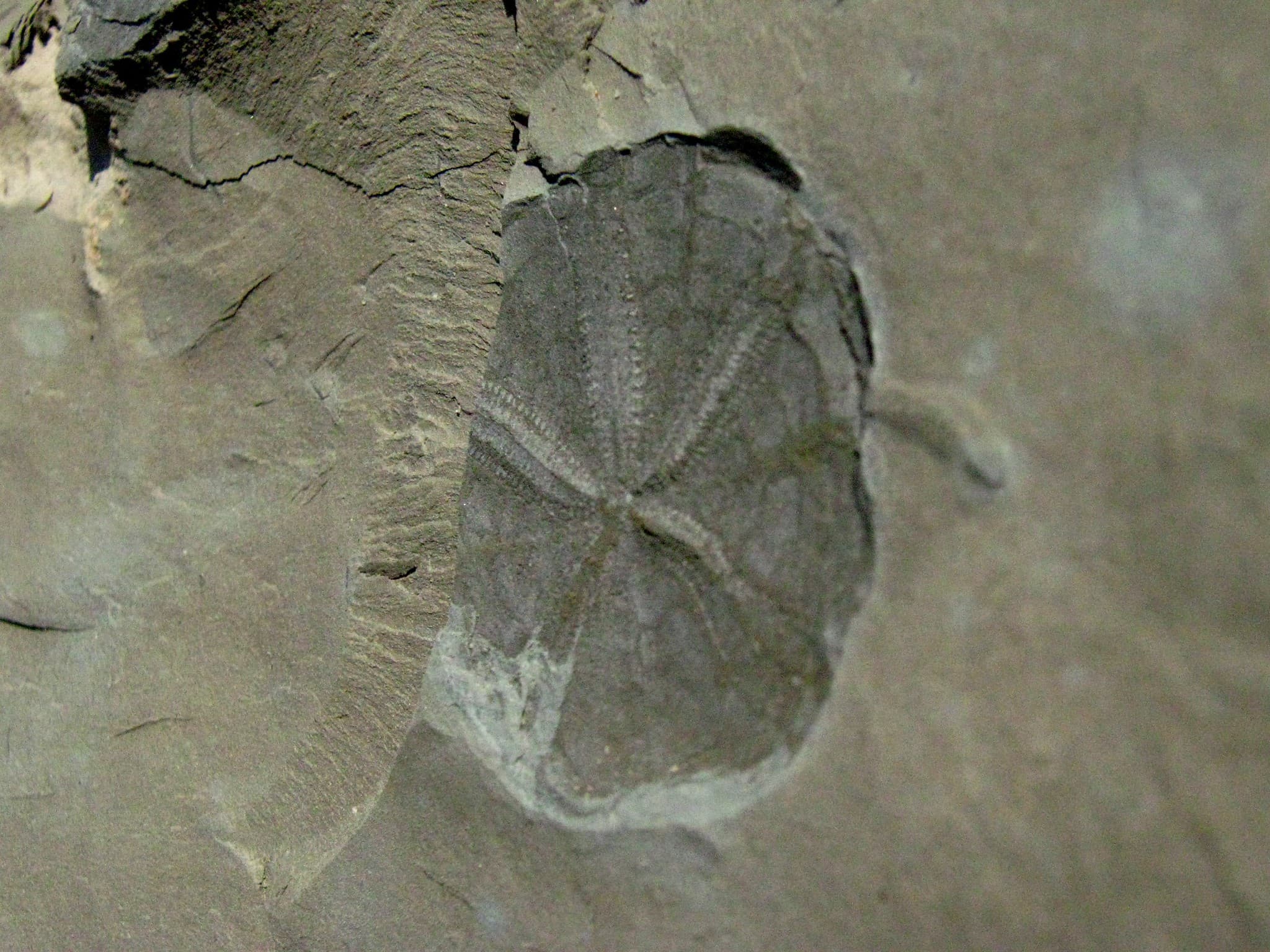
The best place to find fossils on the Isle of Wight is the stretch of beach between Compton Bay and Brook Bay, around Hanover Point, at low tide. It is National Trust land on the south-west coast, the cliffs are made of dinosaur-age rock that is constantly eroding, and you can find dinosaur bone, fossil wood and shells loose on the beach, as well as iguanodon footprints at the foot of the cliff.
Dinosaur Isle describes the island as the richest dinosaur location in Europe. Most finds come from the south-west coast, around Hanover Point and Brighstone Bay, with Yaverland near Sandown the main site on the east side.
The best beaches for fossilsSection titled The best beaches for fossils
1. Compton Bay and Hanover PointSection titled 1. Compton Bay and Hanover Point
Hanover Point, the headland between Compton Bay and Brook, is where to start. The National Trust recommends searching the loose gravel and stones on parts of the beach that were recently covered by the sea, at low tide. Things people find here include:
- Dinosaur bone: black and shiny, with a honeycomb texture where it is broken.
- Fossil wood (lignite): also black, but lighter, with no honeycomb pattern. If it leaves a black mark when you scrape it on a stone, it is wood rather than bone.
- Dinosaur teeth, ammonite fragments, large oyster shells and sea urchins preserved in flint.
- "Noah's nuts": semi-fossilised hazelnuts that turn up near the Hanover Point steps.
The iguanodon foot casts are the big draw: large three-toed casts, 30 to 60cm across, at the base of the cliffs just east of the Compton Bay car park. More prints show in the rock ledges further out, but only at low tide.
Practical: The National Trust has three pay-and-display car parks along the Military Road, at Brook Chine, Hanover Point and Compton Chine, all paid through the JustPark app (free for members who register their card). There is no overnight parking and verge parking on the Military Road is not allowed. Toilets, including a Changing Places cubicle, are at Hanover Point. Wooden steps lead down to the beach. Southern Vectis route 12 stops at Compton Bay a few times a day. Dogs can go on the beach between Hanover Point and Brook Chine all year, but are banned west of the Compton Bay car park from 15 May to 15 September.
2. Brook BaySection titled 2. Brook Bay
Brook is the next bay east of Hanover Point and shares the same rocks, so the same finds turn up. It is quieter than Compton and has its own National Trust car park at Brook Chine. Dogs are allowed on the beach all year.
3. Yaverland, SandownSection titled 3. Yaverland, Sandown
Yaverland, at the northern end of Sandown Bay, is the main dinosaur site on the east of the island. The cliffs and foreshore are Wessex Formation, the same dinosaur-bearing rock as the south-west coast. Dinosaur bones and footprints are still found here, and it is the place where Yaverlandia, a small bone-headed dinosaur, was discovered. Footprints turned up as recently as the 2020s, during work on the flood defences.
Sand often covers the rock platform, so finds depend on how the beach has been scoured. Landslips and soft clay under the sand make the cliff foot dangerous, especially in winter. Dinosaur Isle's guided walks start here, and the museum is a short walk along the seafront.
Dogs are allowed all year on the part of Yaverland east of the car park. The rest of the beach has a seasonal dog ban from 1 May to 30 September.
4. Whitecliff Bay, BembridgeSection titled 4. Whitecliff Bay, Bembridge
Whitecliff Bay is a Site of Special Scientific Interest for its geology. The rock layers here were folded upright, so you walk past about 500 metres of near-vertical Palaeocene and Eocene sands and clays, which are a good place to find fossil shells rather than dinosaurs. The only ways down are two steep concrete paths from the holiday parks above, which are not suitable for pushchairs or wheelchairs.
The rulesSection titled The rules
The fossil coast is protected and the cliffs are dangerous. Follow the National Trust's guidance wherever you are:
- Collect from the beach only. Pick up loose fossils; do not dig into or climb the cliffs.
- No hammers or tools.
- Leave the foot casts at Hanover Point for everyone else.
- Leave big finds in place. If you see something significant in the cliff, or a large boulder with bone in it, photograph it, note where it is and report it.
- Watch the tide. Start on a falling tide and keep an eye on the way back. Wet rocks and the ledges at Hanover Point are very slippery.
- Keep away from the cliff foot. Rockfalls and mudslides happen without warning, especially after rain.
Guided fossil walksSection titled Guided fossil walks
A guided walk is the quickest way to learn what to look for, and children get far more out of it.
- Dinosaur Isle, Sandown, reopened in March 2026 after a £678,000 refurbishment. Its staff run public fossil walks at Yaverland and Shanklin in the school holidays. A council notice in February 2026 gave prices of £7 for adults, £4 for children and £5 for concessions, with family tickets available. Places are limited, booking in advance is essential and you pay when you book.
- Wight Coast Fossils runs hour-long walks at Compton Bay, listed on the National Trust's Compton Bay events page. Check the National Trust listing for current dates and prices.
If you are planning a full dinosaur day, see our guide to things to do on Isle of Wight beaches. For fossils of a different kind, read about the best beaches for shells and rock pooling.
SourcesSection titled Sources
- National Trust: fossil hunting and geology at Compton Bay and Downs
- National Trust: Compton car park information
- Palaeontological Association: fossil collecting in the UK
- Scottish Geology Trust GeoGuide: Yaverland
- JBA Consulting: dinosaur footprints at Yaverland flood relief works
- Isle of Wight Council: Dinosaur Isle reopening (2026)
- Isle of Wight Council: Dinosaur Isle half-term activities (2026)
- OnTheWight: dog-friendly beaches all year round (May 2026)