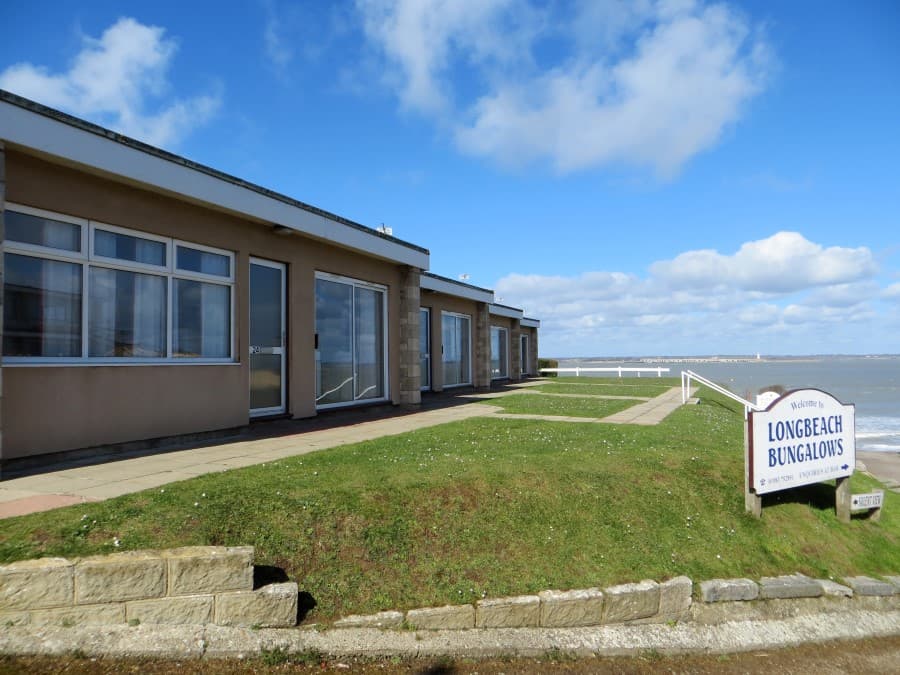
About 140,800 people live on the Isle of Wight. The Office for National Statistics (ONS) estimated the population at 140,777 in mid-2025, in figures published on 29 July 2026. The last census, on 21 March 2021, counted 140,459 usual residents. The population is older than England's: nearly a third of islanders are 65 or over.
The latest figuresSection titled The latest figures
| Measure | Figure | Source and date |
|---|---|---|
| Population, mid-2025 estimate | 140,777 | ONS, published 29 July 2026 |
| Population, mid-2024 estimate | 141,356 | ONS |
| Census 2021 | 140,459 | ONS, Census Day 21 March 2021 |
| Census 2011 | about 138,300 | ONS |
| Change 2011 to 2021 | +1.6% (England +6.6%) | ONS |
| Male / female, mid-2025 | 68,102 / 72,675 | ONS |
The mid-year estimates are the ONS's best figure for 30 June each year, rolled forward from the census using births, deaths and migration. In the year to mid-2025 the island's estimate fell by 579 people, while England and Wales as a whole grew by 0.4%.
Mid-year estimates since the census have stayed in a narrow band: 140,682 in 2022, 141,169 in 2023, 141,356 in 2024 and 140,777 in 2025. In practical terms, the island has had about 140,000 to 141,000 residents for a decade.
The largest townsSection titled The largest towns
Towns don't have fixed legal boundaries, so the ONS measures them as "built-up areas": continuous areas of buildings. These are the figures from the 2021 Census:
| Town | Population (2021 Census, built-up area) |
|---|---|
| Newport | 25,405 |
| Ryde | 24,105 |
| Cowes | 14,365 |
| Sandown | 11,655 |
ONS figures released under FOI-2023-1304 (September 2023).
The ONS only released built-up area figures for those four. For the next tier of towns, the 2021 Census parish populations give a guide: Shanklin 9,123, East Cowes 8,428, Sandown parish 7,125 (much smaller than its built-up area), Freshwater 5,646, Ventnor 5,567 and Totland 2,960.
Newport is the county town and the island's main shopping and administrative centre, sitting in the middle of the island at the head of the River Medina. Ryde, where the Portsmouth catamaran and the Southsea hovercraft arrive, is almost as large. Cowes and East Cowes face each other across the Medina estuary, and Sandown and Shanklin are the main resorts on the east coast.
Parish figures are different again because parishes draw their boundaries differently. Newport and Carisbrooke parish, for example, had 26,376 residents in 2021, so be careful when comparing numbers from different sources.
An older populationSection titled An older population
The island is one of the oldest places in the South East.
| Age group (mid-2025) | Isle of Wight | South East | England |
|---|---|---|---|
| Aged 0 to 15 | 14.1% | 18.1% | 17.9% |
| Aged 65 and over | 31.0% | 20.2% | 19.1% |
| Aged 85 and over | 4.2% | — | — |
ONS mid-2025 population estimates, via Nomis.
At the 2021 Census the island's median age was 51, up from 46 in 2011, against 40 for England. The ONS said this was the joint second-highest median age in the South East. Between 2011 and 2021:
- the number of people aged 65 to 74 rose by about 4,600 (26.7%)
- the number aged 35 to 49 fell by just under 5,100 (18.8%)
The 2021 Census also found that 33.2% of residents aged 16 and over were retired, compared with 30.6% in 2011, while the share in work fell from 50.2% to 47.5% (England: 55.7%).
Other census factsSection titled Other census facts
From the ONS comparison of the 2011 and 2021 censuses:
- Housing: 67.6% of households owned their home, above the England figure of 61.3%. Private renting rose from 17.4% to 20.7%.
- Born in England: about 128,500 residents (91.5%).
- Ethnic group: 97.0% of residents identified as White, against 81.0% across England.
- Religion: 47.7% described themselves as Christian and 43.9% said they had no religion.
- Density: the ONS describes the island as among the least densely populated 35% of local authority areas in England. It covers about 380 square kilometres; see how big is the Isle of Wight?
How many visitors come in summer?Section titled How many visitors come in summer?
There's no reliable single figure for how many people are on the island on a summer's day. What exists is the Isle of Wight Passenger Survey, run for Visit Isle of Wight, the island's tourism body. Interviewers question passengers on board and in the departure lounges of all six cross-Solent routes.
The most recent published totals:
- January to June 2025: 826,249 day and overnight visits, down 5.1% on the same period in 2024. Day visitors rose 6.2% and short breaks of one to three nights rose 9.1%, while stays of four nights or more fell 4.6%. Visitors spent £101.2 million, excluding ferry fares.
- July to September 2025: total visitors fell 3.7% compared with summer 2024, and the year to September was down 4.6%. The published reports gave percentage changes rather than a headcount for the quarter.
Even without an exact summer number, the scale is clear: hundreds of thousands of visits in each half-year, against a resident population of about 141,000. Summer weekends and event weeks, such as the Isle of Wight Festival in June and Cowes Week in August, are when the ferries and roads are busiest. If you're planning around crowds, our ferry day planner and winter guide cover the quieter options.
Living on the islandSection titled Living on the island
If you're thinking about joining the 140,000, there are no special rules about who can move here. See can anyone live on the Isle of Wight? and is the Isle of Wight part of England? for how the island is governed.
SourcesSection titled Sources
- ONS: Population estimates for England and Wales, mid-2025 (published 29 July 2026)
- Nomis: population estimates, local authority based by single year of age (Isle of Wight, mid-2022 to mid-2025; accessed 20 October 2026)
- Nomis: Census 2021 TS001, number of usual residents (Isle of Wight: 140,459)
- ONS: How the population changed in the Isle of Wight, Census 2021
- ONS: Isle of Wight population statistics, FOI-2023-1304 (4 September 2023)
- City Population: Isle of Wight parishes
- OnTheWight: short stays and day visits rise while total visitor numbers decline (29 July 2025)
- Isle of Wight County Press: holiday visit numbers fall by 5 per cent (2025)
- Isle of Wight Radio: island visitor numbers dip but longer stays offer summer silver lining (24 November 2025)